Introduction
In a world where travel often means racing from one hotspot to the next, slow travel offers a refreshing alternative. Instead of ticking off as many destinations as possible, slow travel encourages you to stay longer, move less, and immerse fully in a place’s culture, rhythm and people. This guide explores what slow travel means today and how you can plan your own meaningful journey.
What Is Slow Travel?
“Slow travel” stems from the wider “slow movement” and is defined by a focus on depth over speed — remaining in one place longer, using slower modes of transport, and connecting with a destination rather than simply visiting it.
Rather than hopping between cities, it’s about being present. The goal: fewer destinations, richer experiences.
Why Slow Travel Works
- Deeper connection: You have time to meet locals, explore neighbourhoods, savour food and culture.
- Reduced stress: Fewer logistics, less rushing = more relaxed experience.
- Sustainable impact: Slower transport, longer stays, more local spending = better for environment and communities.
Who Should Choose Slow Travel & When?
Slow travel suits:
- People who have 1–2+ weeks and want to deeply explore one region.
- Travellers seeking cultural immersion rather than sightseeing check-lists.
- Anyone wanting to travel sustainably, avoid crowds, and discover lesser-known places.
How to Plan Your Slow Travel Trip
1. Choose the Right Destination
Pick a place you’ll want to stay for several days (not just overnight). Think slower-paced towns, countryside or cities you can use as a base.
2. Select Slower Transport Modes
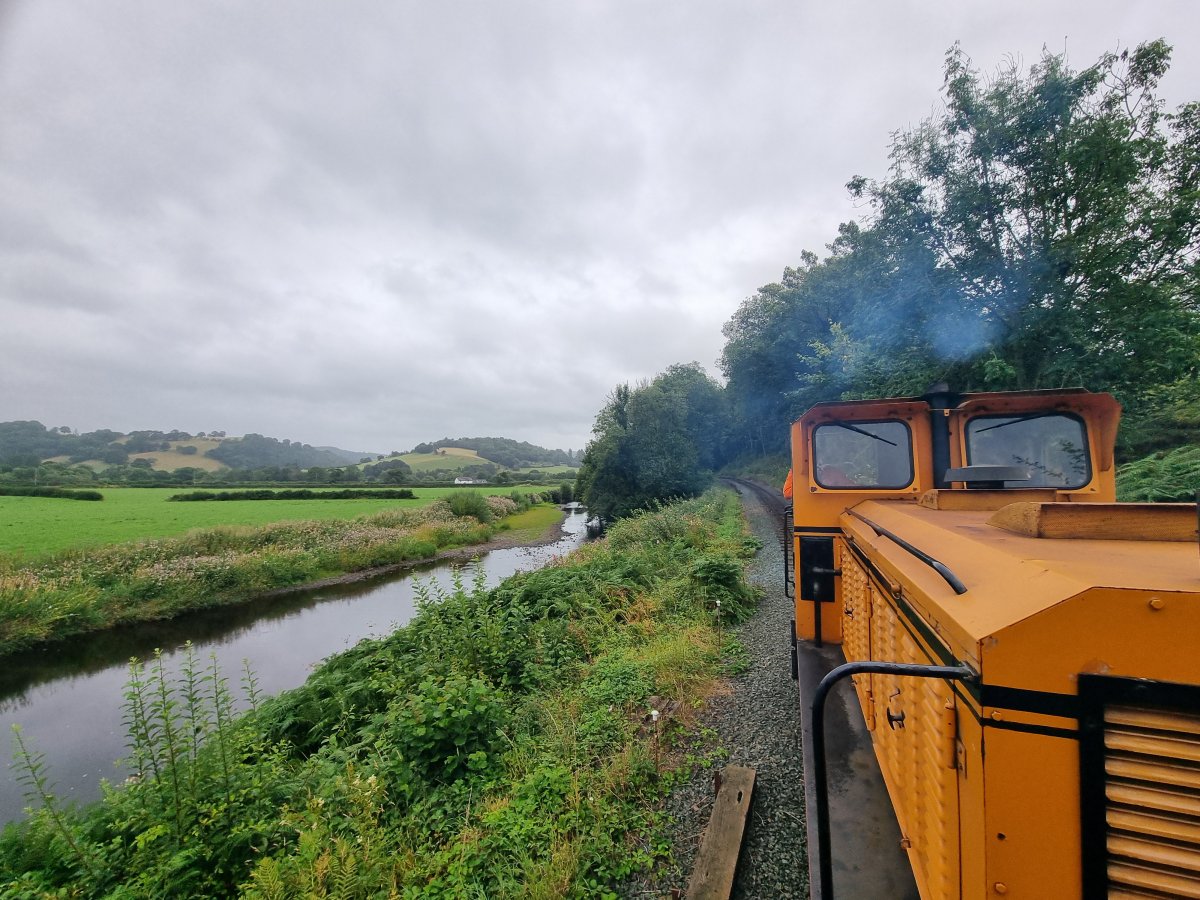
Instead of flying into one city and out of another, opt for train, ferry, bus — or stay put and explore locally. The journey becomes part of the experience.
3. Time Budget Properly
Give yourself time: a minimum of 4–5 nights in one location rather than being in a new town each day. Leave unscheduled time for spontaneity.
4. Stay Locally, Live Like a Resident
Choose guesthouses, homestays, independent cafés. Talk to locals. Visit markets. Learn a few words of the language. Make the place yours — even briefly.
Slow Travel Tips & Mistakes to Avoid
Do:
- Leave your room open-ended — don’t pack every minute.
- Build in rest days — switching off and just being is part of the experience.
- Use apps or maps to explore off the main tourist routes.
Don’t:
- Try to “see it all” — slow travel is the opposite of marathon sightseeing.
- Stick rigidly to a linear, full-day itinerary — flexibility is key.
- Ignore transport or stay costs — staying longer may mean cheaper rates or deals.
Focus: Slow Travel in the UK & Europe
If you’re travelling from the UK, there are many ideal regions for slow travel: single-base stays in rural France, cycling through the Netherlands, or taking regional rail in Italy rather than hopping flights. These choices give you time to live in a place and really absorb the culture.
Conclusion & Next Steps
Slow travel isn’t just a trend — it’s a mindset. By slowing down, you give yourself the chance to connect, reflect and truly relax while exploring. Whether you have a weekend escape or a month-long adventure, embracing slow travel will change the way you experience the world.
Ready to start? Pick one destination, book a 4-night stay, skip the constant moving, and explore like a local.
If you enjoyed this guide, check out our next post: Exploring Europe by Train: Small Towns Most Tourists Miss.
SEO Keywords: what is slow travel, how to plan slow travel, slow travel tips, slow travel guide 2025, slow travel UK Europe